We noticed that you were on the American continent, would you like to be redirected to our US site?
HomeJournal Why concrete is becoming a design material
March 24, 2026
Why concrete is becoming a design material
Concrete design material : 5 surprising reasons it belongs in our interiors | Lyon Béton
Why concrete is becoming a design material
Concrete design material : nobody would have imagined that phrase twenty years ago. Bridges, buildings, underground car parks. A structural material, not an aesthetic one.
Something changed. Not suddenly, gradually. Designers started looking at concrete differently. Not as a surface to hide, but as a material to show.
Today, concrete design material is moving into living rooms, bathrooms, home offices. This isn’t a trend.
1. The texture of concrete design material looks like nothing else
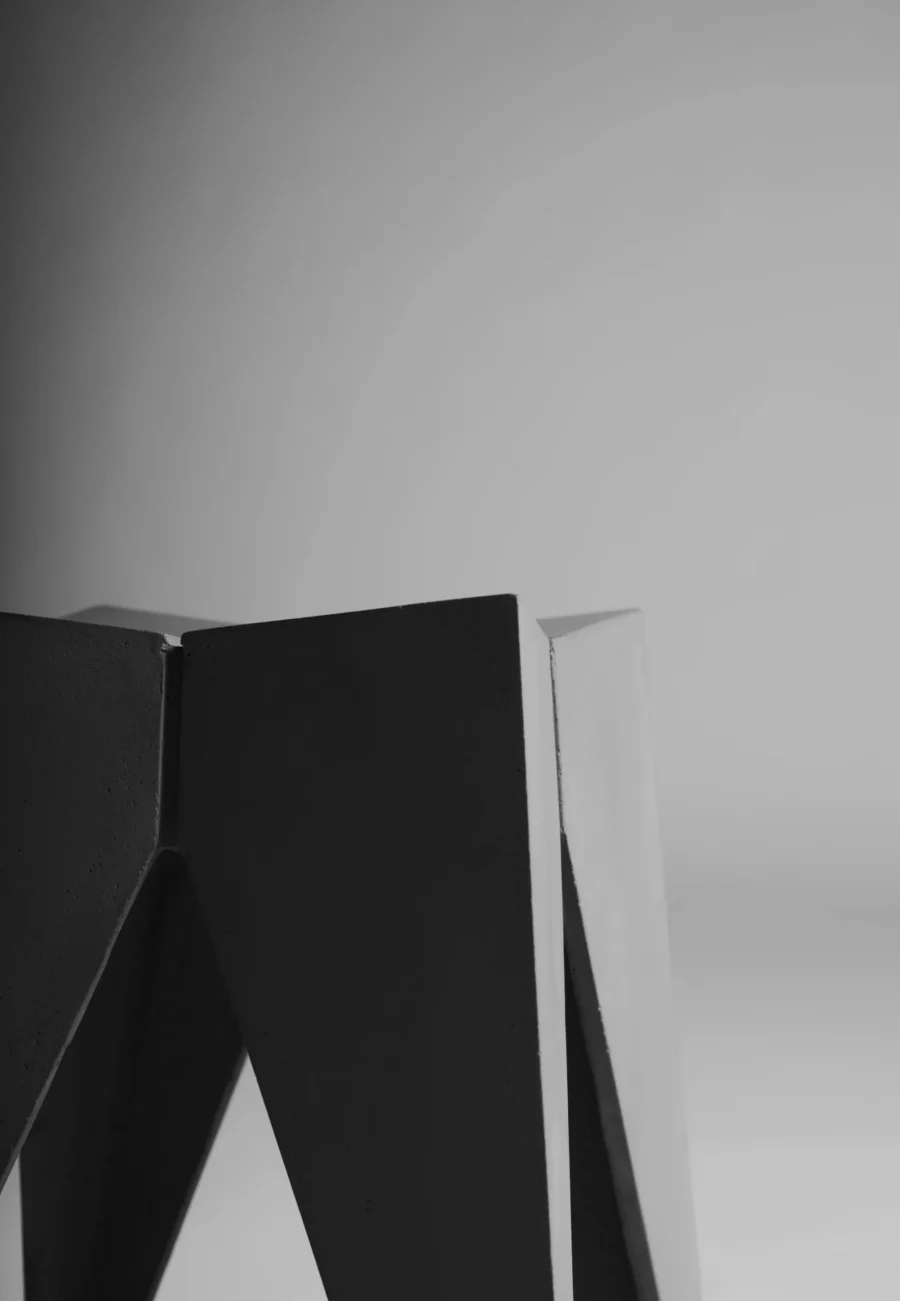
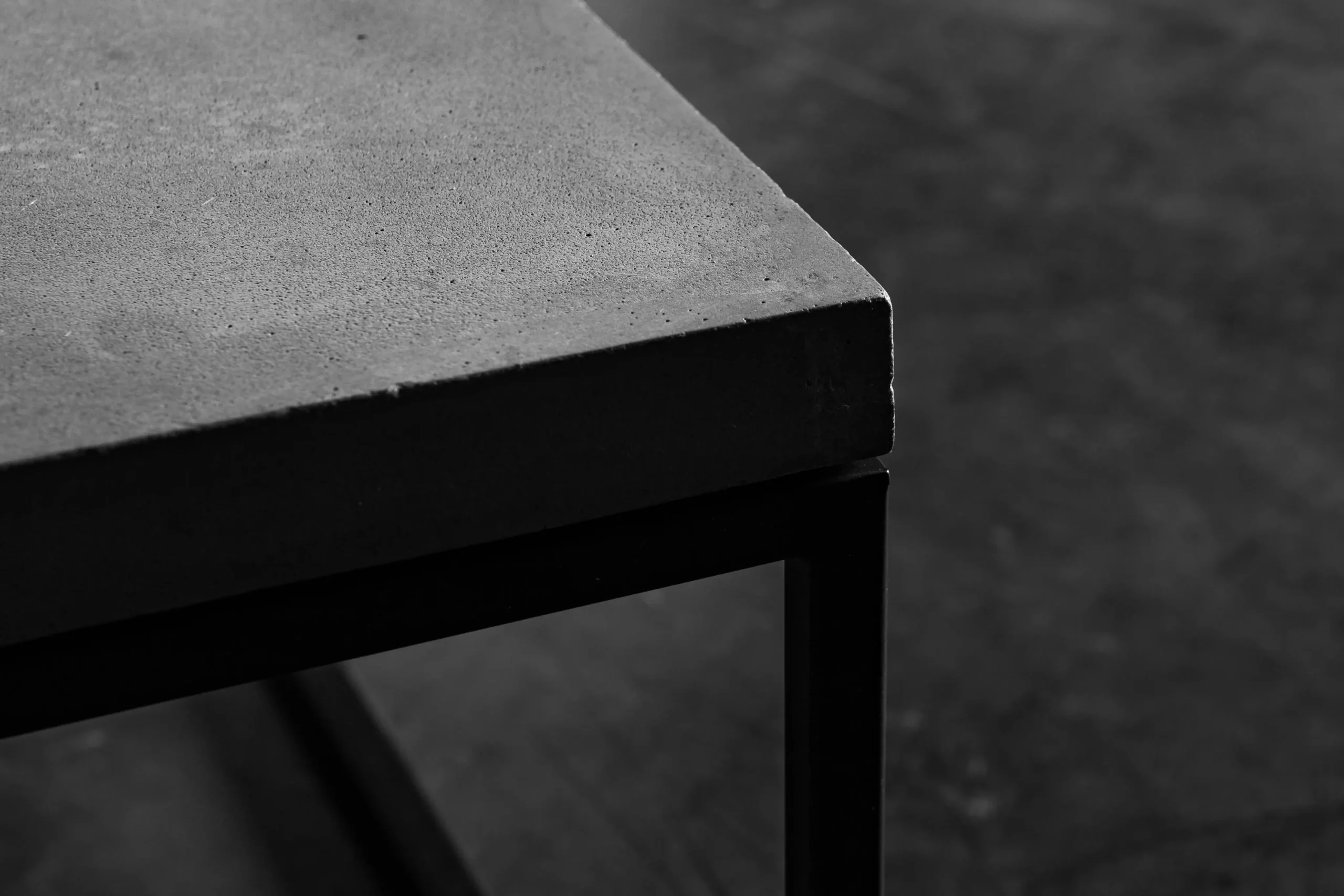
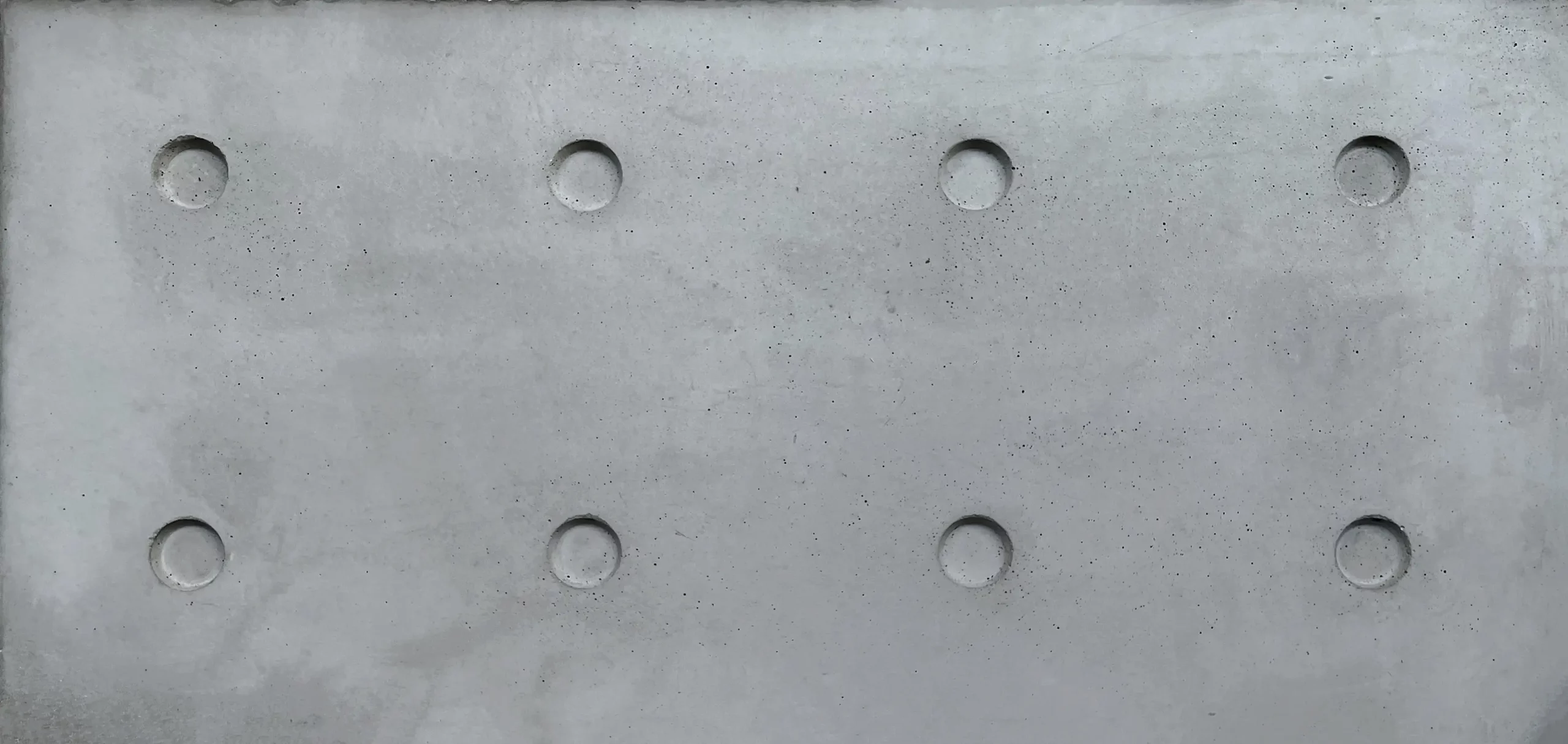
Concrete keeps the traces of how it was made. Microbubbles on the surface, variations in tone, slight irregularities from casting. Two pieces cast with the same formula will never be identical.
This is exactly the opposite of standard industrial materials. Plastic seeks uniform perfection. Polished metal erases every trace of process. Concrete shows how it was made.
This honesty creates a different relationship with the object. You look at it differently. You touch it differently. Light catches the surface and transforms it throughout the day. That’s what sets concrete design material apart from everything else.
2. Concrete design material changes the way you think about furniture
Working with concrete to make furniture isn’t about assembling parts. It’s about casting a volume in a mold.
The form comes out as a single piece. No visible joint, no hardware to conceal. The piece exists as a whole, a monolithic presence in the space.
This logic brings design closer to sculpture. Volumes can be freer, surfaces continuous, forms more architectural. A constraint that becomes a freedom.
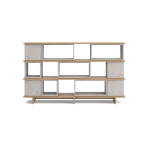
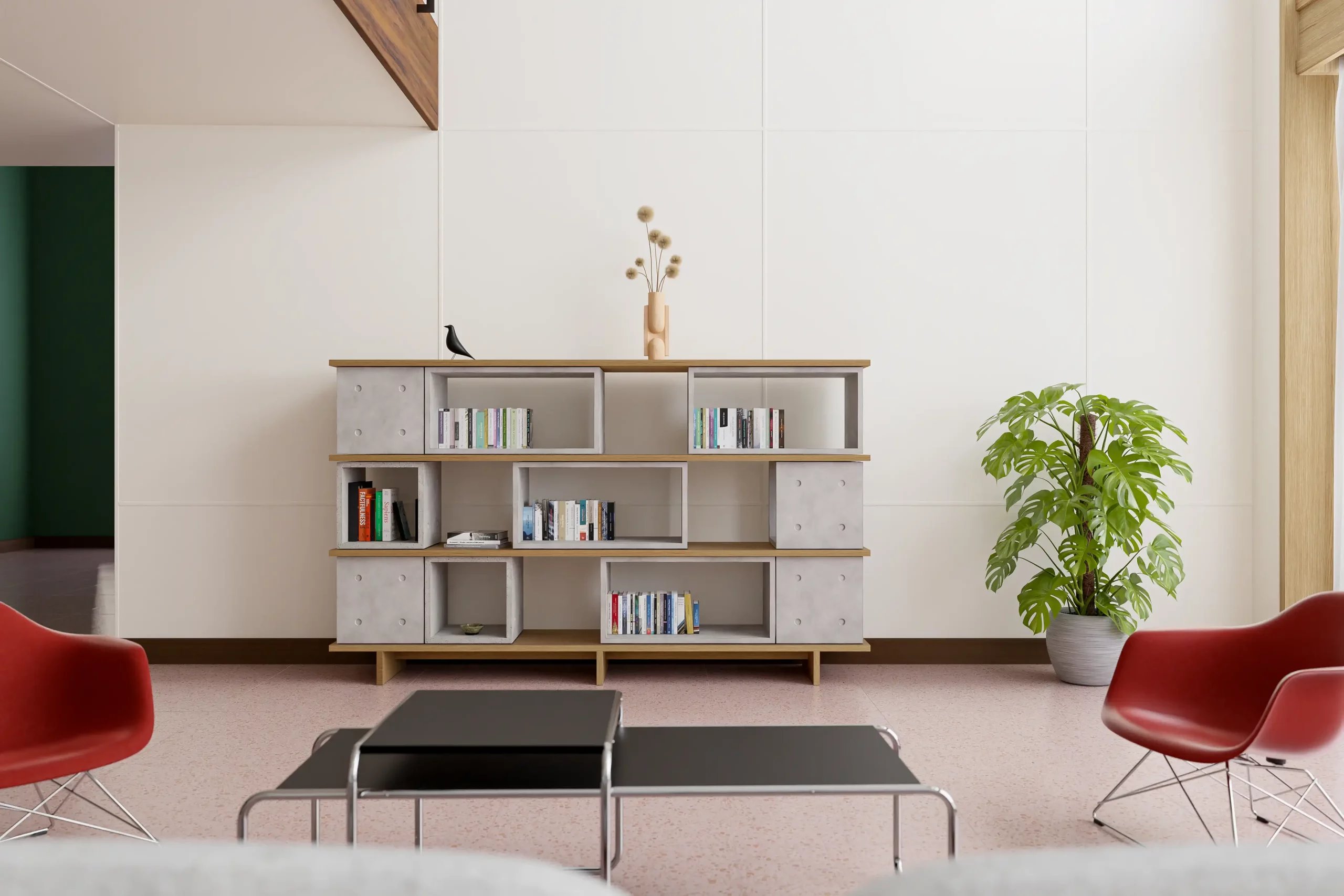
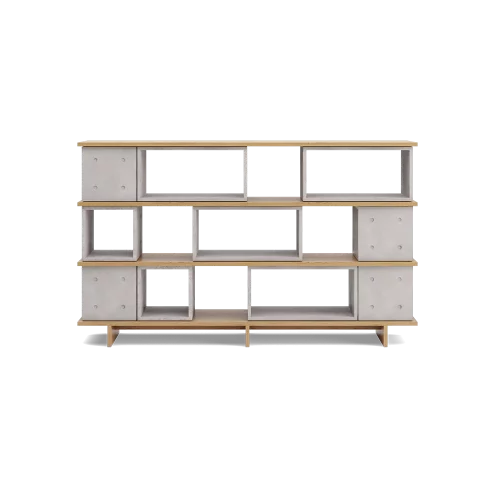
At Lyon Béton, the Dice system by Alexandre Dubreuil illustrates this well. Concrete cubes cast in a single piece, combinable endlessly. A simple form becomes a system.
3. Concrete design material carries an architectural history
The link between concrete and design goes back a long way. From the early 20th century, Le Corbusier chose to reveal concrete rather than mask it. The surface becomes an element of architectural language in its own right.
This stance still inspires designers today. Simple forms, honest materials, geometric volumes : these are principles that concrete furniture picks up directly.
Brutalist furniture extends this tradition. It doesn’t try to imitate other materials. It owns what it is.
4. Concrete design material fits the contemporary interior
Living spaces are evolving. More open, more minimalist, often stripped back. In this context, objects need to justify their presence.
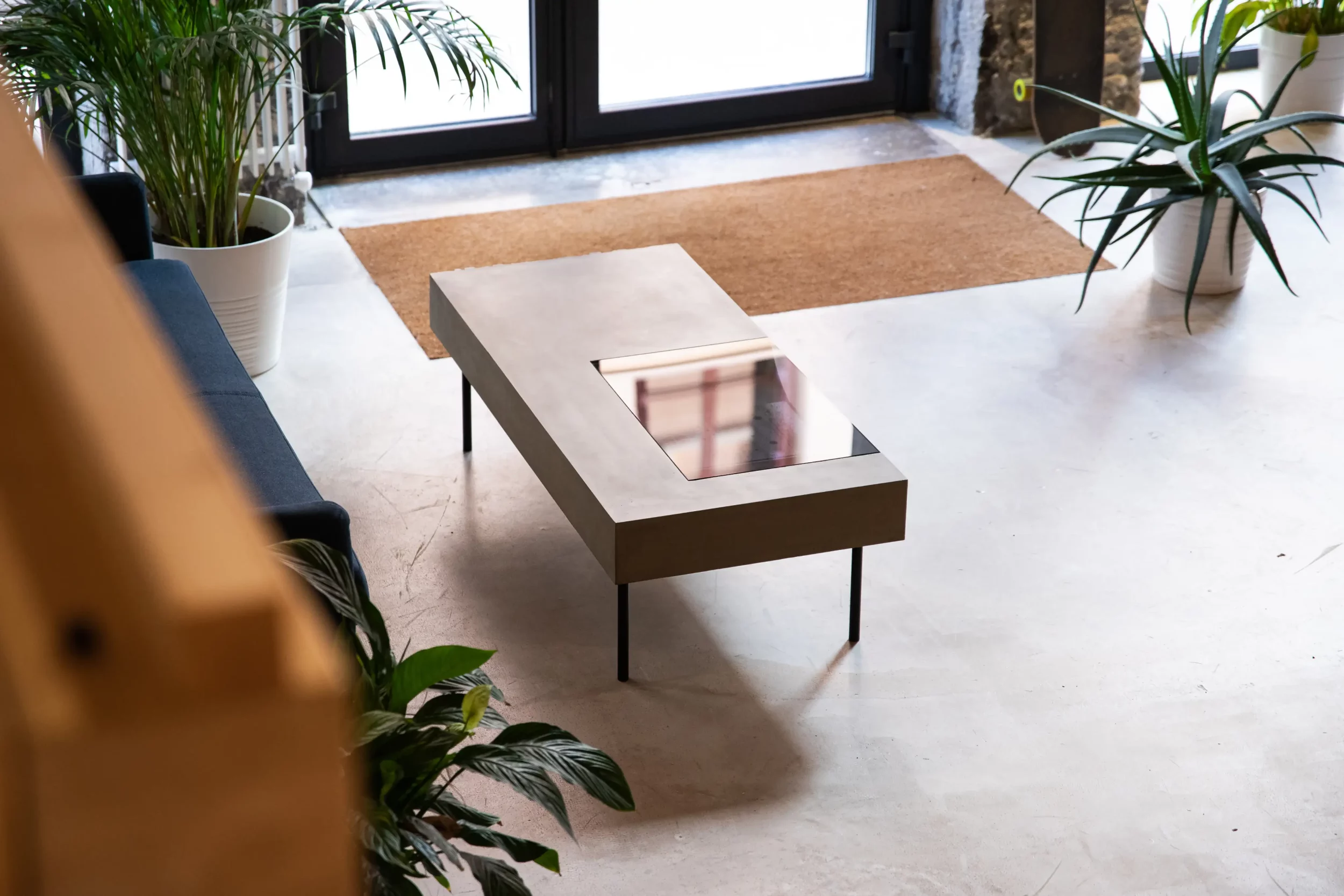
Concrete does this naturally. Its mass creates visual anchor points. A concrete coffee table structures a living room without needing much else. A mineral shelf transforms a blank wall into an architectural surface.
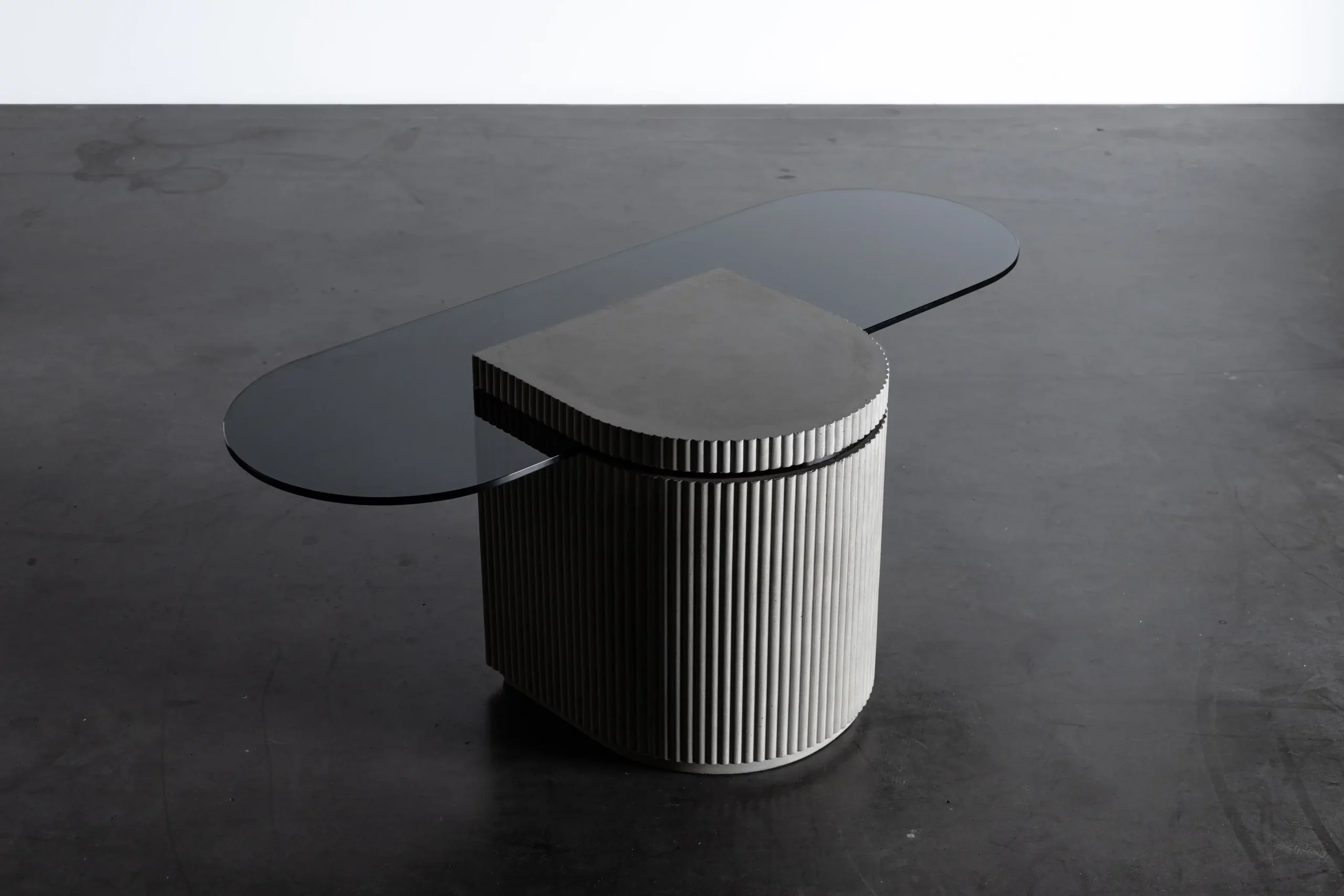
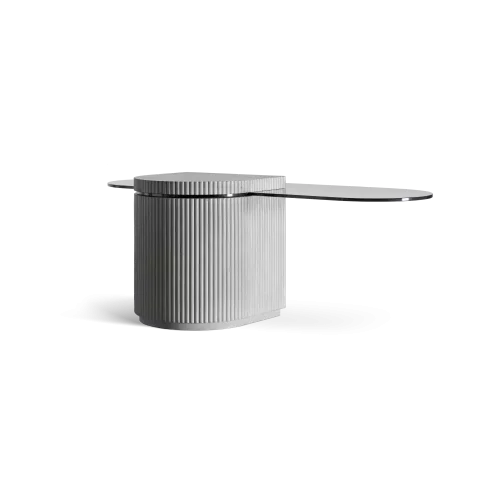
Bertrand Jayr’s Strut coffee table works exactly on this principle. A massive concrete base, a glass top. The contrast between the two creates a visual tension that structures the space.
5. Concrete design material lasts
Concrete holds up. It’s probably its most obvious and least glamorous quality — but likely the most important.
At a time when design is trying to move away from disposable furniture, this durability matters. A concrete piece isn’t made to be replaced in three years. It ages, develops a patina, keeps its character.
Designers who work with this material think in terms of permanence. These are objects built to last. That’s the promise of concrete design material.
Concrete as a field of experimentation
What makes concrete particularly interesting today is the range of its possibilities. It can be combined with wood, glass, metal. It accepts very different finishes : raw, sanded, tinted, waxed.
Each combination produces a different result. Raw concrete with wood gives something warm. Polished concrete with glass pushes toward minimalism.
This versatility is why more and more designers are choosing to work with concrete design material. It isn’t fixed. It’s a field of experimentation.
FAQ — Concrete as a design material
Why has concrete become popular in design?
Because it answers needs that have evolved : material authenticity, durability, sculptural character. In a market saturated with uniform objects, concrete stands out through its strong identity.
Is design concrete the same as construction concrete?
No. Concrete used for furniture is formulated differently, lighter, thinner, often fiber-reinforced for strength. It’s designed for design, not structure.
Is concrete furniture heavy?
It depends on the piece. Modern formulations allow objects to be much lighter than construction concrete. A fiber-reinforced concrete coffee table or shelf is perfectly manageable.
How do you maintain a concrete piece of furniture?
Design concrete is usually treated with a protective resin. Maintenance is limited to wiping with a slightly damp cloth. Stains are prevented with regular waterproofing treatment.
Where can you find quality design concrete furniture made in France?
Lyon Béton offers a range of design concrete furniture handcrafted in France. Each piece is cast by hand, which guarantees a unique character.